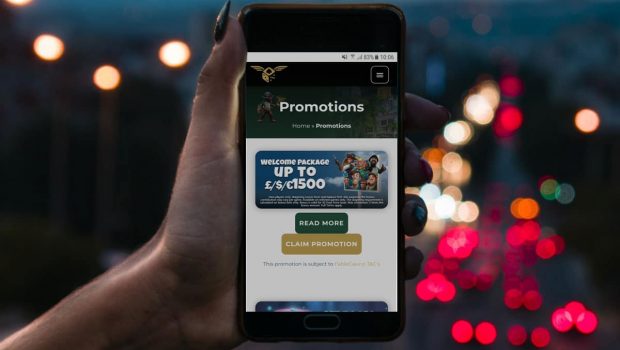
Black Friday has become more than a retail frenzy; it’s a magnet for casino operators eager to sprinkle extra sparkle on their promotions. As shoppers line up for door‑buster deals, online and land‑based casinos roll out “lucky‑charm” campaigns—deposit matches that glow in neon, free‑spin storms that promise a touch of fortune, and tier‑boosters that feel like a secret handshake with Lady Luck herself.
Why do these theatrics still work in an era dominated by data analytics, AI‑driven risk models, and hyper‑personalised marketing? Because gambling has always been a ritualistic experience. Even the most sophisticated player feels a pull toward a rabbit’s foot, a favourite number, or the exact moment a lucky coin lands heads. Those instincts create a psychological bridge that modern loyalty programs can cross, turning an old‑world superstition into a measurable, cash‑generating asset.
In the pages that follow, you’ll learn how to translate personal rituals into concrete loyalty‑program actions. We’ll break down the psychology behind luck, demystify tier structures, and give you a step‑by‑step worksheet for aligning your charms with bonus calendars. By the time Black Friday rolls around, you’ll have a playbook that turns every lucky token into points, free play, or even a cash‑back boost—exactly the kind of edge that separates a casual bettor from a seasoned high‑roller.
1. The Psychology of Luck: Why Superstitions Stick
Gambling superstitions trace back to ancient dice games in Mesopotamia, where priests whispered prayers to the “god of chance.” Over centuries, the rabbit’s foot, three‑leaf clover, and the number 7 have migrated from tavern tables to casino floors. Modern players still clutch talismans, but the underlying cognitive bias remains the same: the illusion of control. When a player believes that a specific ritual influences the outcome, the brain registers a perceived increase in agency, reducing the anxiety of pure randomness.
This bias is amplified by the “availability heuristic.” A single win after wearing a lucky bracelet sticks in memory far longer than the dozens of neutral outcomes that follow. Casinos exploit this by embedding superstition‑friendly language in their marketing—“Spin the wheel on your lucky hour” or “Play with your lucky number for double points.” The message is simple: align your personal ritual with the house’s promotion, and the odds feel better.
Classic Casino Charms Reimagined
Old‑school talismans have received a digital facelift. Some operators now issue NFC‑enabled wristbands that vibrate when a player hits a streak, effectively turning a physical charm into a real‑time data point. Mobile apps feature “lucky streak trackers” that colour‑code consecutive wins, letting users share their progress on social feeds. These tools satisfy the same psychological need for tangible proof while feeding the casino’s analytics engine.
The Role of Seasonal Timing
Black Friday is a perfect storm for superstition‑driven betting. The day’s high‑traffic environment creates a collective sense of urgency—players feel they must act before the “window closes.” This urgency mirrors the classic gambler’s belief that a hot streak will continue if seized at the right moment. Operators therefore schedule “lucky‑hour” bonuses, flash multipliers, and limited‑time free‑spin bundles that line up with the day’s peak traffic. The result is a feedback loop: the more players believe the timing is auspicious, the more they chase the promotions, and the louder the casino’s marketing voice becomes.
2. Loyalty Programs 101: From Points to Perks
At their core, casino loyalty schemes are tiered economies. Players earn points for every wager, regardless of win or loss, and those points translate into tier status—bronze, silver, gold, and sometimes a platinum elite. Each tier unlocks a richer redemption catalog: higher cash‑back percentages, exclusive tournament seats, personalised account managers, and faster withdrawal queues.
The distinction between “cash‑back” and “free‑play” rewards is crucial. Cash‑back returns a portion of net losses as real money, typically 5‑15 % depending on tier. Free‑play, by contrast, grants wagering credits that must be played through before any cash can be withdrawn. While free‑play can inflate a bankroll quickly, it also carries higher wagering requirements, making cash‑back the more reliable charm for consistent players.
Why loyalty is the most dependable “lucky charm” is simple: points accrue regardless of short‑term variance. Even on a losing streak, a player continues to climb the tier ladder if volume is maintained. The program’s algorithm rewards durability, not just flashes of luck.
Tier‑Jump Strategies
- Concentrate Play During Bonus Windows – Deposit matches and accelerated point days (often on Black Friday) multiply earned points by 2‑3×.
- Target High‑RTP Slots – Games like Starburst (RTP ≈ 96.1 %) generate more wagers per unit of stake, accelerating point accumulation.
- Utilise “Bet‑Boost” Events – Some casinos double points on table games for a limited period; schedule your blackjack sessions accordingly.
By aligning these tactics with promotional calendars, a player can leap from bronze to gold in a single weekend, unlocking perks that would otherwise require months of play.
3. Mapping Your Personal Lucky Ritual to a Loyalty Strategy
Below is a quick worksheet to fuse superstition with program mechanics:
- Identify Your Charm – e.g., the number 23, a red scarf, or a specific playlist.
- Match the Charm to a Program Feature – Does the casino offer a “Lucky Number” bonus multiplier? Is there a “Streak” bonus that activates after ten consecutive wins?
- Schedule Play – Align your ritual with the casino’s high‑value windows. If your lucky number is 23, plan a session when the bonus multiplier is active on the 23rd of the month or during a “23‑hour flash” on Black Friday.
- Track Results – Use a spreadsheet to log points earned, streak length, and any tier movement.
Example: A player who believes 7 is lucky notices that the casino runs a “Lucky 7” free‑spin promotion every Thursday at 7 pm. By placing a modest bet of AED 50 during that hour, the player not only enjoys the thematic spins but also earns 1.5× loyalty points, accelerating a tier upgrade.
4. Black Friday Bonus Bonanzas: Maximising the Seasonal Surge
Typical Black Friday casino offers include:
| Offer Type | Common Value | Typical Wagering Requirement |
|---|---|---|
| Deposit Match | 100 % up to AED 2,000 | 30× bonus |
| Free Spins | 100 spins on Book of Dead | 20× win amount |
| Accelerated Points | 3× points on all slots | None (points only) |
| Cashback Boost | 15 % of net losses | 0 % (cash‑back) |
Timing is everything. Most operators designate a “lucky‑hour” between 18:00 – 20:00 GMT when point multipliers peak. Deposit during that window to capture both the match and the accelerated points.
Rollover means the number of times a bonus must be wagered before withdrawal — uae online casino spells out that multiplier for every offer it lists, giving you a clear picture of what’s truly worth chasing.
Spotting the Real Value
- Calculate Effective Bonus Value: (Bonus Amount ÷ Rollover) × (Cash‑back % if any).
- Compare Against Tier Benefits: A 100 % match with 30× rollover might be less valuable than a 15 % cashback on a gold tier.
- Factor in Game Volatility: High‑variance slots require larger bankrolls to meet rollover, whereas low‑variance table games can satisfy requirements with smaller bets.
By running the numbers before you click “claim,” you ensure the promotion complements—not competes with—your loyalty goals.
5. Crafting a “Lucky‑Charm” Loyalty Playbook
- Weekly Action Plan
- Monday: Review upcoming bonus calendar, note any “lucky‑hour” events.
- Wednesday: Play a low‑variance slot (e.g., Gonzo’s Quest) during the scheduled lucky‑hour to rack up points.
-
Friday (Black Friday week): Deposit the maximum match, activate accelerated points, and spin the designated lucky‑number slot.
-
Tools
- Spreadsheet: Columns for date, charm, bonus used, points earned, tier change.
-
Mobile Tracker App: Set push notifications for “streak” bonuses and “point‑boost” alerts.
-
Review & Adjust
- At month‑end, compare actual tier movement against projected.
- If a ritual isn’t delivering points, replace it with a program‑driven trigger (e.g., “play 5 hours on live dealer blackjack”).
Consistent documentation turns superstition into a data‑driven habit, letting you see exactly which charms are profitable and which are merely decorative.
6. Case Studies: Players Who Turned Superstition into Big Wins
Case A – “The Number 9 Navigator”
A UAE‑based player swore by the number 9. He enrolled in a casino that offered a “Lucky 9” multiplier on Fridays at 9 pm. By depositing AED 1,500 during the Black Friday “9‑hour” window, he triggered a 2× point boost and earned 12,000 loyalty points, catapulting him from silver to gold. The resulting cash‑back of AED 180 (15 % of net losses) covered his entire weekly bankroll.
Case B – “The Red Scarf Strategist”
Another player believed a red scarf brought luck. He paired the scarf with a “Red‑Hot Streak” promotion that awarded 500 free‑play credits after ten consecutive wins on Mega Moolah. By playing during the Black Friday flash, he hit the streak on his third spin, unlocking the free‑play and subsequently winning a progressive jackpot of AED 5,000. His tier advanced to platinum, granting him a personal account manager and exclusive tournament invites.
Case C – “The Digital Wristband Wizard”
A tech‑savvy gamer used an NFC wristband that vibrated when a loyalty point multiplier activated. He set the band to alert him during the Black Friday “midnight surge.” The real‑time cue prompted him to place a modest AED 100 bet on a 96 % RTP slot, earning 3× points. Over the weekend, he accumulated enough points to redeem a AED 250 free‑play voucher, which he turned into a net profit of AED 400 after meeting a low 10× wagering requirement.
These anecdotes illustrate how aligning personal rituals with program mechanics can transform a simple superstition into measurable wealth.
7. Avoiding the Pitfalls: When Luck Becomes a Liability
- Over‑Betting on “Lucky” Days – The belief that a lucky charm guarantees wins often leads to larger stakes than the bankroll can sustain. Set a hard limit: never exceed 5 % of total bankroll on a single “lucky” session.
- Ignoring Wagering Requirements – Chasing a high‑value bonus without calculating rollover can lock funds for weeks. Use the simple formula: Effective Value = Bonus ÷ Rollover. If the result is lower than your tier’s cash‑back, skip the offer.
- Neglecting Bankroll Management – Even a hot streak ends. Adopt the 1‑3‑5 rule: 1 % of bankroll per bet, 3 % for bonus‑fund bets, 5 % for high‑variance slots.
Loyalty programs often include self‑exclusion tools and loss‑recovery bonuses that automatically cap exposure after a set number of losses. Activate these safeguards before you begin a “lucky‑hour” marathon; they act as a safety net, ensuring that superstition never eclipses responsible gambling.
8. Future Trends: AI‑Powered Lucky Features & Next‑Gen Loyalty
Artificial intelligence is poised to personalize the superstition experience. Predictive algorithms will analyse a player’s historic betting times, preferred numbers, and device usage to suggest optimal “lucky‑hour” windows with the highest expected value. Imagine an app that notifies you: “Your lucky number 13 aligns with today’s 2× point promotion on Book of Ra—play now for maximum tier gain.”
Gamified loyalty will also evolve beyond points. Virtual talismans—collectible NFTs that glow when a player hits a streak—will grant temporary multiplier boosts or exclusive tournament seats. Because each NFT is unique, players can trade or sell them on secondary markets, turning a charm into a tradable asset.
Black Friday promotions may incorporate these technologies by offering limited‑edition digital charms that unlock a 48‑hour “double‑points” period. Operators could also use AI to dynamically adjust rollover requirements based on a player’s historical conversion rate, making offers feel tailor‑made and more enticing.
The convergence of AI, blockchain, and traditional superstition promises a future where luck is no longer a vague feeling but a data‑backed strategy, seamlessly woven into the loyalty fabric.
Conclusion
Superstitions have survived millennia because they give gamblers a sense of control, and modern loyalty programs have turned that feeling into a quantifiable advantage. By mapping personal charms to tier benefits, timing deposits with Black Friday’s “lucky‑hour” boosts, and using simple worksheets to track progress, you can transform folklore into real‑world rewards.
Take the steps outlined above, refine your playbook each season, and let AI‑driven insights enhance—not replace—your rituals. This Black Friday, let your lucky charm be the catalyst that propels you from bronze to gold, turning every spin, hand, and bet into a stepping stone toward bigger wins.